
Hormone Replacement Therapy
Hormone replacement therapy is a personalized, clinically supervised approach to managing age- or condition-related hormone decline. It can significantly improve energy, sexual health, mood, and overall quality of life for both men and women when tailored to individual needs and monitored carefully
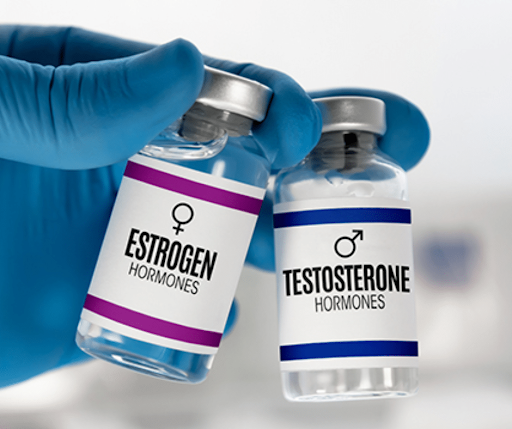
HRT is a medical treatment designed to replace hormones that the body no longer produces at optimal levels due to aging, medical conditions, or endocrine disorders . In women, it primarily addresses menopause-related declines in estrogen and progesterone, while in men, it focuses on low testosterone levels associated with andropause
Testosterone for Men
Testosterone for Women
Hormone Replacement Therapy for Men
Hormone Replacement Therapy for Women
Hormone Optimization Therapy: Frequently Asked Questions
General Hormone Health FAQs (Men & Women)
1. What are the signs of a hormone imbalance?
2. How do I know if I actually need hormone optimization therapy, or if my labs are just ‘low normal’?
3. What tests are done before starting hormone therapy?
4. Is hormone optimization therapy safe?
5. What's the difference between bioidentical and synthetic hormones?
6. Does VitaSuite offer pellet therapy?
We are not currently offering pellet therapy. We do offer all other hormone therapy modalities, including injections, creams, patches, and sublingual options.
Hormone Optimization Therapy for Women
1. What is perimenopause, and how is it different from menopause?
2. What symptoms does hormone optimization therapy treat in women?
- Hot flashes and night sweats
- Vaginal dryness and pain with intimacy
- Sleep disruption and night waking
- Mood swings, irritability, and anxiety
- Brain fog and word-finding difficulty
- Low libido
- Joint aches and loss of muscle tone
3. Did the safety warnings on hormone therapy change recently?
Yes. In late 2025 and early 2026, U.S. regulators began removing decades-old black box warnings tied to cardiovascular disease, breast cancer, and dementia from several systemic hormone therapy products. Those warnings were based on a landmark early-2000s study of older postmenopausal women, many with existing cardiovascular risk factors, using an oral synthetic hormone formulation that differs from what’s commonly prescribed today. The updated guidance reflects that the original warnings were applied more broadly than the evidence supported — but individual risk factors like personal or family history of breast or endometrial cancer, stroke, or blood clots still matter and should be reviewed with your provider.
4. Is transdermal (patch/cream) estrogen safer than oral estrogen?
For blood clot risk specifically, most evidence favors transdermal delivery. Oral estrogen passes through the liver first, which increases clotting-factor production; patches and creams bypass this first-pass metabolism, which is one reason many providers favor them, particularly for women with additional clot risk factors.
5. Can hormone optimization therapy help with menopausal weight gain?
6. Do I need progesterone if I still have my uterus?
Yes. Estrogen given without progesterone can overstimulate the uterine lining over time. Any woman with an intact uterus taking systemic estrogen needs progesterone alongside it for endometrial protection.
7. What about testosterone for women?
Testosterone plays a real role in female libido, energy, and muscle maintenance, and low-dose testosterone is sometimes added to a woman’s hormone optimization regimen for these symptoms. Evidence for benefits beyond sexual function — such as mood or cognition — is still limited, so this is typically a targeted addition rather than a default part of every regimen.
8. At what age can I start hormone optimization therapy?
Women can start as early as their 30s if labs and symptoms support it, though most begin during perimenopause or shortly after menopause, typically in their 40s or 50s. Starting within about ten years of menopause onset — often called the ‘timing hypothesis’ — is associated with a more favorable benefit-to-risk profile than starting much later, which is one reason early conversations with your provider matter.
Testosterone Replacement Therapy (TRT) for Men
1. What is Low T, and what causes it?
2. At what age can men start hormone optimization therapy?
3. What are the symptoms of low testosterone?
- Persistent fatigue and low motivation
- Reduced muscle mass and increased body fat
- Low libido or erectile difficulty
- Mood changes, irritability, or reduced stress tolerance
- Brain fog and poor concentration
- Reduced morning erections
4. Does TRT actually work, or is it overhyped?
TRT reliably raises testosterone levels and, for men with clinically confirmed low levels, commonly improves libido, energy, and body composition. It’s worth knowing that evidence from rigorous trials shows more modest, mixed results for outcomes like cognitive function or overall vitality than marketing sometimes suggests — which is exactly why proper diagnosis and realistic expectations matter more than the general hype around ‘optimization.’
5. What forms of TRT does VitaSuite offer?
We offer intramuscular and subcutaneous testosterone injections, along with topical creams, calibrated to your lab results and response. We are not currently offering pellet therapy.
6. What are the risks of TRT?
Potential risks include elevated red blood cell counts (polycythemia), reduced sperm production and fertility, acne, sleep apnea worsening, and prostate-related monitoring needs. This is why ongoing labs — not just an initial test — are part of responsible TRT, and why men trying to conceive should discuss fertility preservation before starting.
7. Will TRT shut down my natural testosterone production?
Yes, external testosterone suppresses the body’s own production via the hypothalamic-pituitary-testicular axis, which also reduces sperm production. This is reversible for most men after stopping therapy, but it’s an important conversation for anyone still planning to have children.
8. How soon will I feel results on TRT?
Energy and mood improvements are often reported within a few weeks, while changes in muscle mass, body composition, and libido typically take three to six months of consistent therapy and monitoring to fully materialize.
Fertility Preservation While on TRT
1. Can I stay fertile while on TRT?
Standard testosterone therapy on its own typically suppresses sperm production, so ‘TRT plus full fertility’ isn’t the default outcome of a standard protocol. However, fertility-preserving approaches exist and should be discussed with your provider before starting — not after sperm counts have already dropped. The right approach depends on your current fertility goals, timeline, and baseline labs.
2. What options exist to protect fertility while addressing Low T symptoms?
Providers may consider approaches such as adding a medication that maintains the body’s own testicular signaling alongside testosterone, or using a fertility-focused medication instead of standard TRT to raise testosterone while preserving sperm production. Sperm banking before starting therapy is also a straightforward option for men who want a safeguard regardless of which treatment path they choose. Which option — or combination — makes sense is a decision for your provider based on your labs, symptoms, and family-planning timeline.
3. When should I bring up fertility if I'm considering TRT?
Before your first dose, not after. Because standard testosterone therapy can reduce sperm production fairly quickly, the fertility conversation is most useful at the initial consultation, when a fertility-preserving protocol — or a decision to bank sperm first — can still be built into your plan from day one.
4. If I stop TRT to try to conceive, will my fertility come back?
For most men, suppressed sperm production recovers after stopping testosterone therapy, though the timeline varies and can take several months. Because recovery isn’t instant or universal, this is exactly why the fertility conversation belongs before starting therapy rather than as a reaction once conception becomes a priority.
Getting Started, Cost & Logistics
1. How does the process work at VitaSuite?
- Step 1: Comprehensive lab panel and symptom review
- Step 2: Provider consultation to interpret labs against your goals
- Step 3: Personalized treatment plan — injection, cream, or patch
- Step 4: Follow-up labs and dose adjustment (typically four to six weeks after starting)
- Step 5: Ongoing monitoring and maintenance visits
2. How long before I see results?
Most patients notice initial changes in energy and mood within two to four weeks, with fuller results in body composition, libido, and symptom relief building over three to six months as dosing is fine-tuned.
3. Is hormone optimization therapy covered by insurance?
Coverage varies widely by diagnosis, provider, and plan. Many patients pursue hormone optimization therapy through cash-pay or membership models specifically because it allows faster access, more flexible dosing, and avoids the diagnostic hurdles some insurers require. Ask our team about current pricing and any available packages.
4. How often will I need appointments?
Expect an initial consultation and lab draw, a follow-up typically four to six weeks after starting therapy to reassess levels and adjust dosing, and then maintenance visits roughly every twelve weeks once your levels stabilize.
